
Hair straighteners are one of those products that do not come as a ‘one size fits all’ type. Unfortunately, many people are unaware of this detail and tend to shop for a hair straightener without putting their hair type into consideration.
So today we’re going to run you through different types of plates commonly used in a straightener, to help you decide which is one is more like to suit your hair type.
Hair straighteners typically use heating plates made from various materials, each with its own characteristics affecting performance, durability, and safety. Here’s an analysis of common materials:
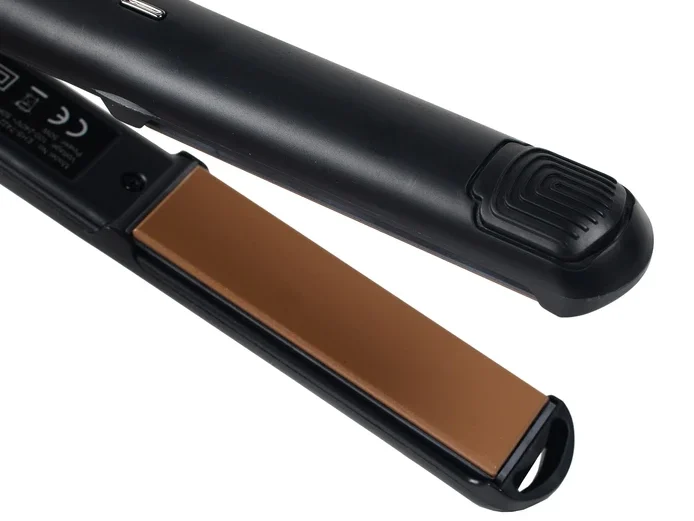
- Ceramic:
- Pros: Ceramic plates distribute heat evenly, reducing the risk of hot spots that could damage hair. They provide consistent heating, which is essential for achieving sleek, straight results. Ceramic plates are gentle on hair and are suitable for most hair types, including fine or damaged hair.
- Cons: While ceramic plates are durable, they can be more prone to chipping or cracking if dropped. Also, pure ceramic plates may take longer to heat up compared to other materials.
- Ceramic Coated: They are usually made from metal but have a ceramic coating, meaning that the heat isn’t distributed evenly. While they do get quite hot, they aren’t good at retaining that heat, especially when compared to pure ceramic plates.
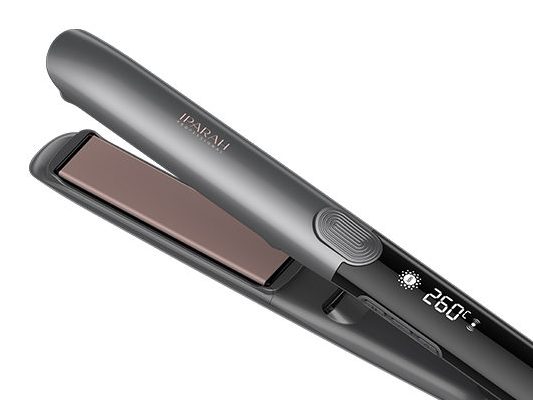
3. Tourmaline:
- Pros: Tourmaline is a gemstone that is often infused into ceramic plates. It generates negative ions when heated, which helps to seal moisture into the hair cuticle, reducing frizz and creating a smoother finish. Tourmaline plates also heat up quickly and evenly.
- Cons: Tourmaline plates tend to be more expensive than pure ceramic plates. However, many users find the benefits, such as increased smoothness and reduced frizz, worth the investment.
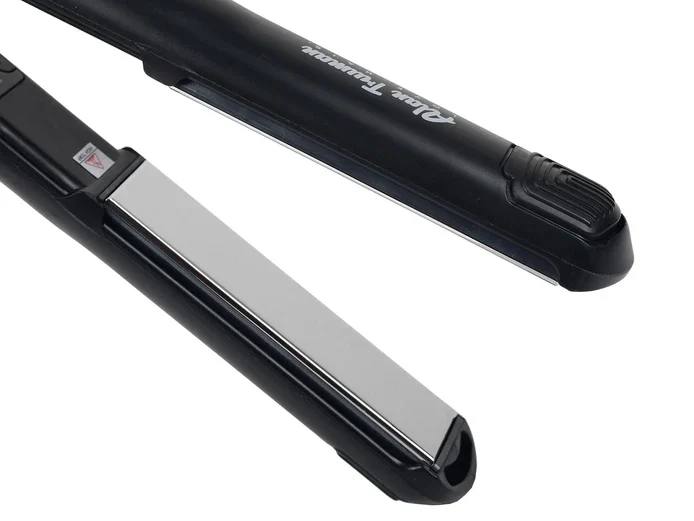
4. Titanium:
- Pros: Titanium plates heat up very quickly and maintain high heat levels consistently. They are lightweight and durable, making them a popular choice among professional stylists. Titanium plates are excellent for thick or coarse hair that requires higher temperatures to straighten effectively.
- Cons: Titanium plates can be harsh on fine or damaged hair if not used properly. They may also cause more heat damage if the temperature is not regulated carefully.
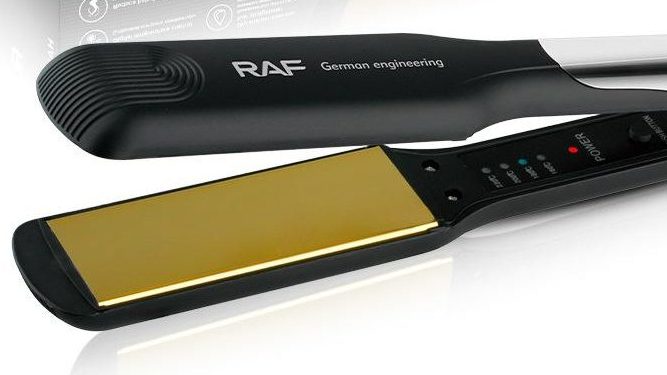
5. Aluminum:
- Pros: Aluminum plates are lightweight and heat up quickly, making them a budget-friendly option for hair straighteners. They are often used in lower-priced models.
- Cons: Aluminum plates can heat unevenly and may cause hot spots, increasing the risk of heat damage to the hair. They are also less durable than ceramic, tourmaline, or titanium plates and may wear down over time.
When choosing a hair straightener, it’s essential to consider your hair type, desired results, and budget. For most users, ceramic or tourmaline plates offer a good balance of performance and hair protection, while titanium plates are better suited for thick or coarse hair that requires high heat.
If you have more questions please refer: https://iparah.en.alibaba.com/
and quote for prices. Or contact our sales for help: https://www.iparah.com/contact/